
Palletizing & end-of-line · operations guide
Palletizing, taken off your people.
A cobot cell stacks cases onto pallets at the end of the line, cycle after cycle, so the heaviest repetitive lift in the plant stops running through human backs.
- All 50
- US states served
- 11+
- years in the business
- 10 min
- 24/7 triage
- 24/7
- emergency response
What it is
A palletizing cell is a robot arm at the end of a line, picking cases off the conveyor and building pallets in a set pattern, shift after shift. Cobot cells share the floor with your team without a cage; fenced cells run faster and heavier. Service Robot Co. picks the cell, finances it, installs and programs it, trains your operators, and services it nationwide.
See it running on your floor.
We scope the work on a site assessment and prove the system on your operation before you commit.
Inside the operation
End of line, case by case.
The operation is a loop that never slows down. Here is where the cell takes it over.
Field notes
1.9M
US manufacturing jobs projected unfilled by 2033.
Deloitte & The Manufacturing Institute, 2024
18.9%
Annual cobot market growth through 2030.
MarketsandMarkets, 2026
$5.7B
The cobot market by 2031, roughly triple today.
Mordor Intelligence, 2026
RoboCare™
Service nationwide.
- 24/7 support.
- 10-minute technical-specialist triage.
- Regional service engineers in every state we service.
- 3 check visits a year.
- 12-month warranty.
The operation, up close
What actually decides the outcome.
The last job on the line is the first one worth automating
Stacking cases is the heaviest repetitive motion in most plants, and one of the hardest roles to keep staffed. A cell that takes the stack does not remove your team; it moves them off the motion that injures and burns people out, onto the line work that needs judgment.
Cobot cell or fenced cell
A force-limited collaborative arm shares the floor with your team, no cage, and redeploys fast when the line changes. A fenced industrial cell runs faster and heavier for a fixed, high-volume job. The right one depends on your case weight, rate, and floor, and we will tell you which on a site assessment.
What the OEM does not do
Five things an integrator carries that a bare OEM does not.
Buying the robot is the easy part. This is the rest of the job.
Sales, neutrally
We pick the right unit for your floor from the whole market, instead of fitting your operation to the one product a maker happens to sell.
Integration
We wire the robot into the software that runs your operation, so it knows what to do next. A robot with no hook-up is an expensive paperweight.
Financing
Buy outright or lease through financing, surfaced honestly with the real total-cost math, so your finance team picks the structure that fits.
Deployment
Mapping, setup, safety, and commissioning on a live floor. The part most direct buyers underestimate, and where projects stall.
Nationwide service
RoboCare™: 24/7 support with 10-minute triage and regional service engineers in every state we service. The one thing most OEMs cannot offer a US customer.
All five, carried for you.
Tell us the floor and the job. We answer with the unit, the math, and the plan.
Get a quoteFrom our blog
Reading for the decision you are making.
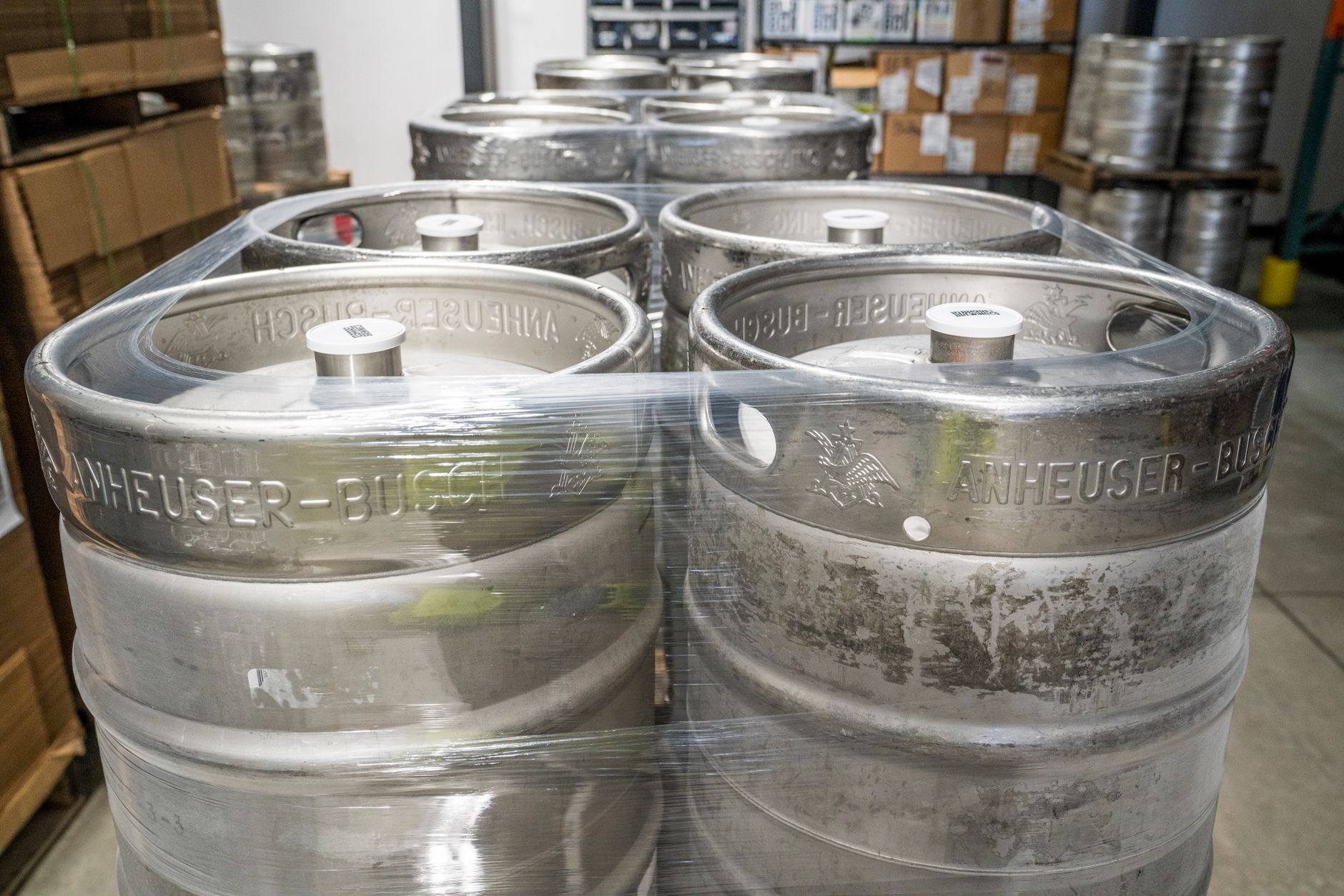 Use casesCobots for Mattress Compression and Roll Packing: A GuideWhere collaborative robots fit in foam mattress compression, roll packing, labeling, and pallet prep, plus guarding, grippers, and the volumes that justify a cell.
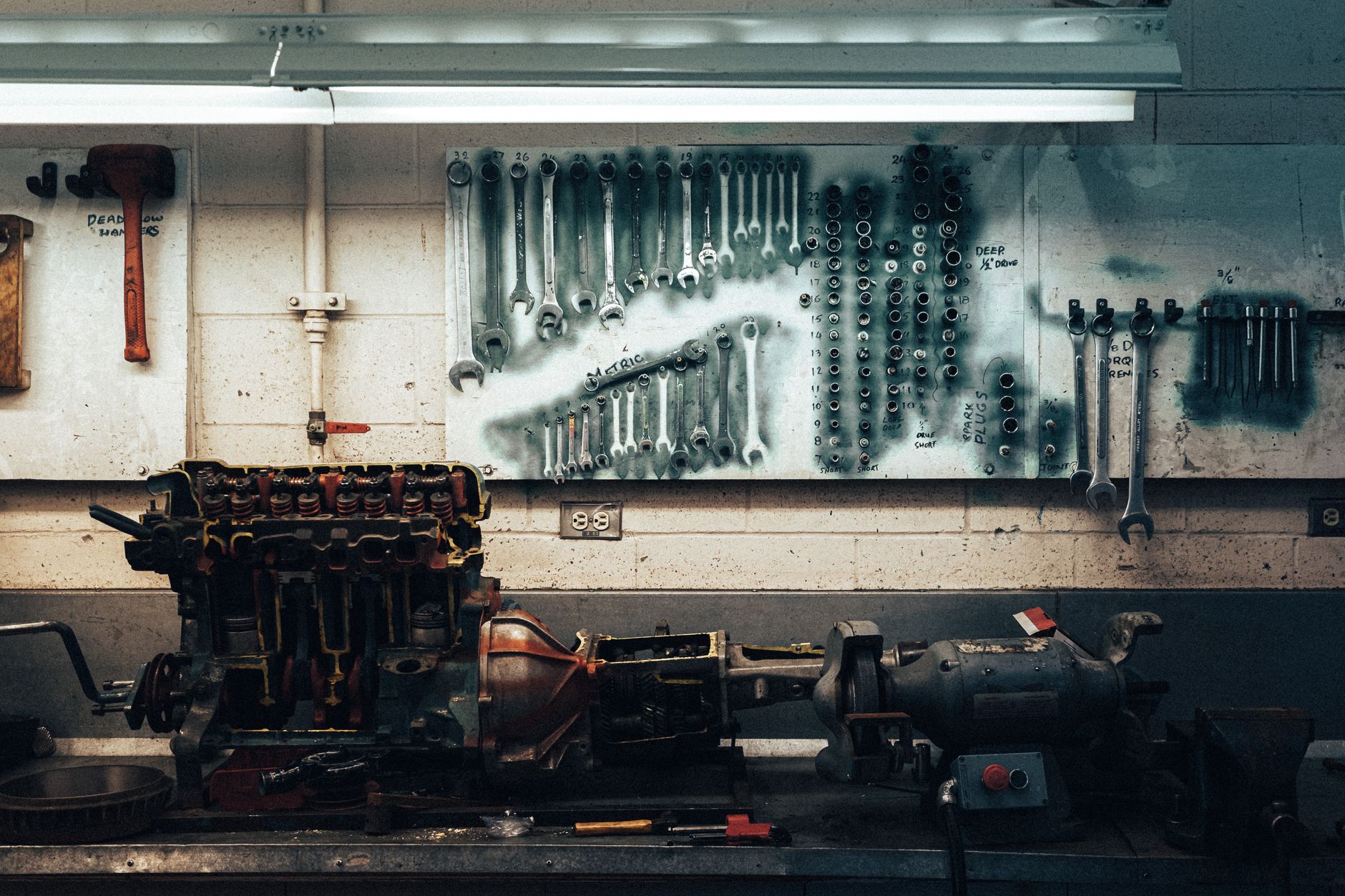 Comparison2D vs. 3D Vision for High-Mix Cobot PickingCompare 2D and 3D machine vision for high-mix cobot picking: when flat imaging is enough, when depth sensing pays off, and how to budget calibration and cycle time.
 Use casesCobots for Case Erecting When Cartons Change Every ShiftHigh-mix packing lines lose hours to changeovers. See when a cobot case erector beats fixed machinery on blanks, tape, recipes, throughput, and crew size.
 Use casesCobots for Applying Protective Surface FilmCobot cells for removable protective film on panels and glass: tension control, bubble-free laydown, edge alignment, clean surfaces, and vision checks before ship.
Two ways to buy
An integrator, or direct from the OEM.
A comparison of the two purchasing models, not a knock on any one maker. Many OEMs partner with integrators precisely to close this gap.
Robots on this operation
The machines doing the work.
Cobots - placeholder
Cobots working this operation at a real site (de-branded).
swap for real, de-branded media before deploy - design-language §8.3
Autonomous forklifts - placeholder
Autonomous forklifts working this operation at a real site (de-branded).
swap for real, de-branded media before deploy - design-language §8.3
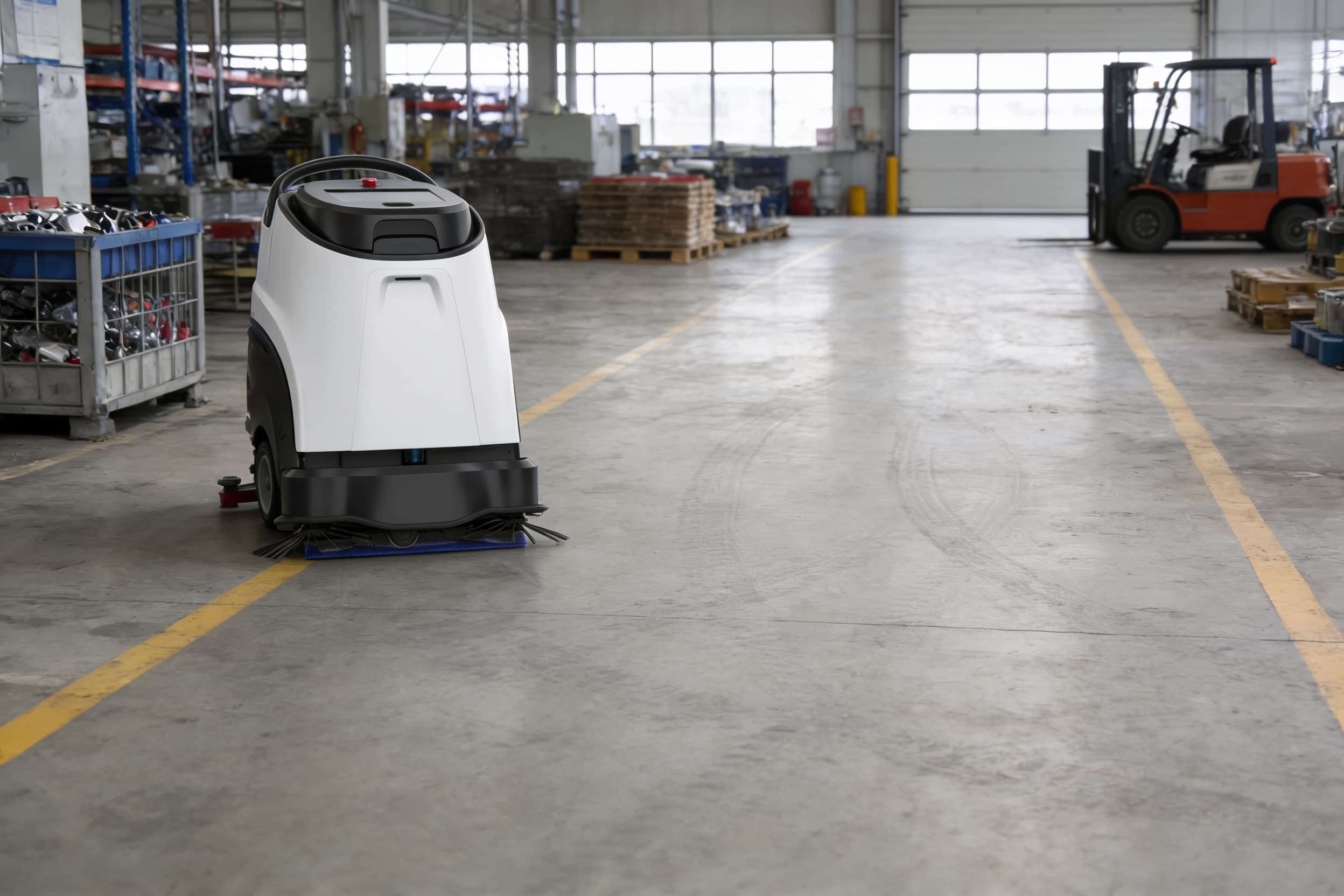
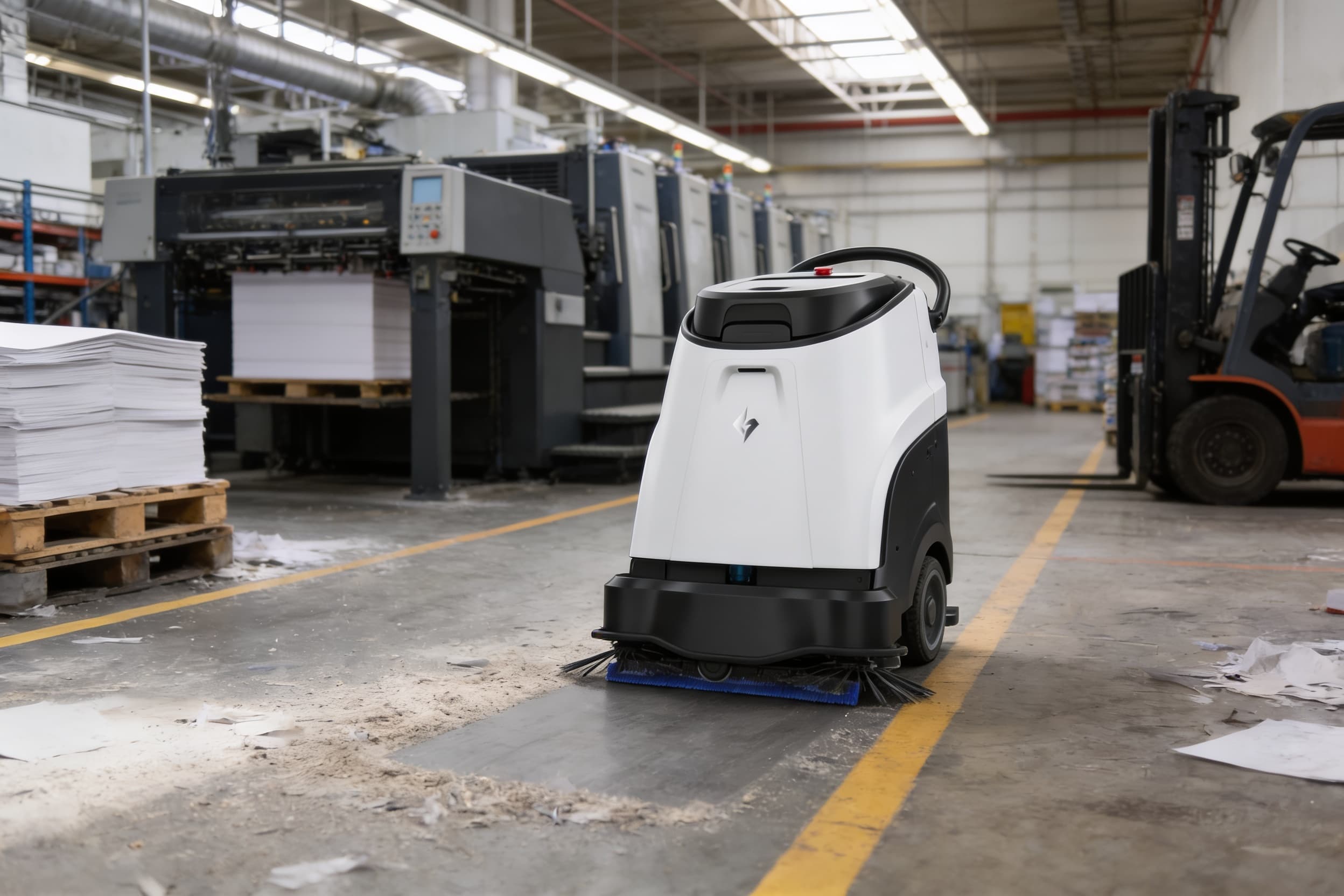
On the floor
Where you'll see it working.

Proof
Deployments we can point to.
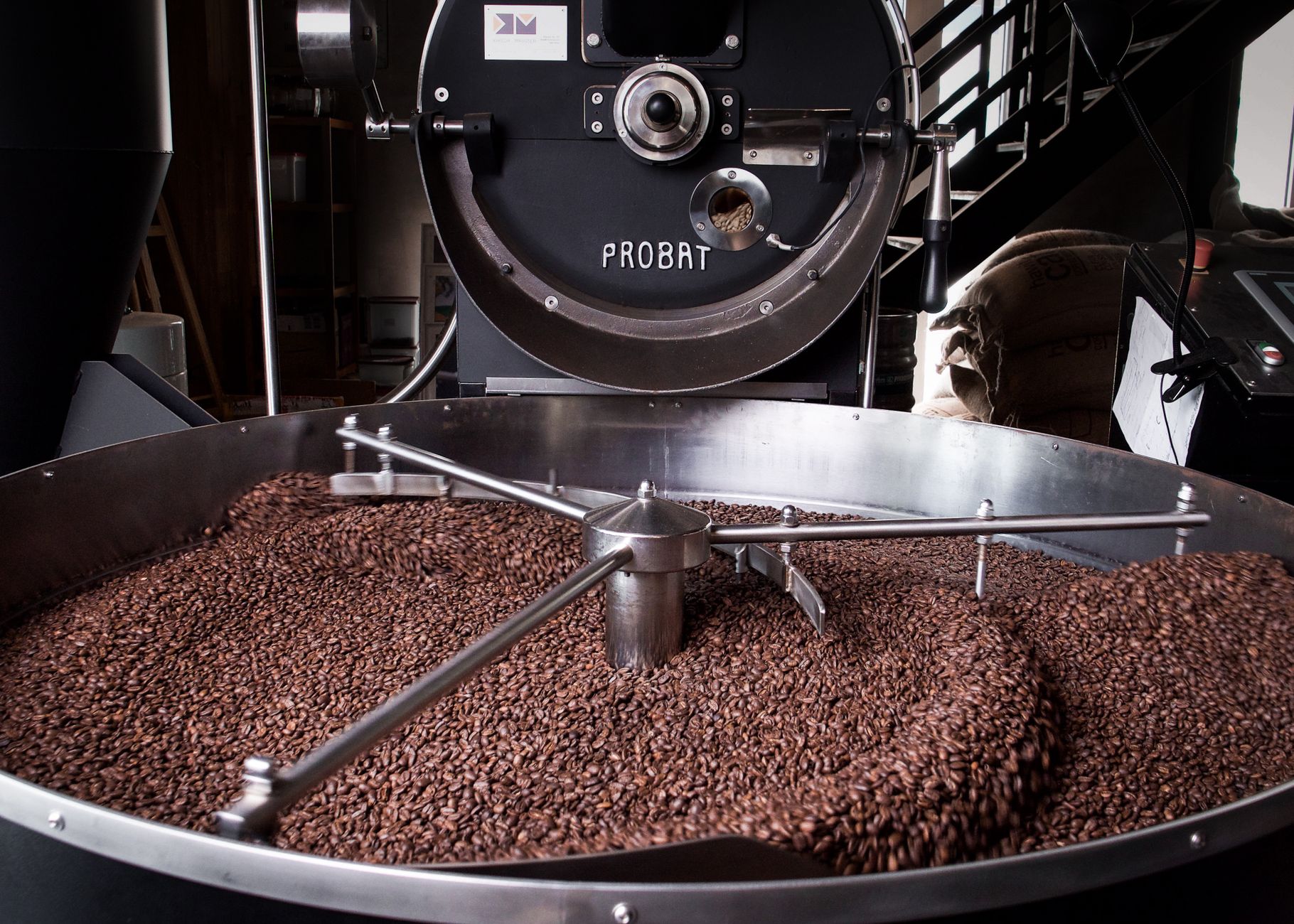 Featured case study15% Productivity liftPrivate-Label Coffee Packer Raises Output 15% With Two Cobot Pallet CellsA documented coffee manufacturing case study: two collaborative palletizers pack 180,000 single-serve cups daily and freed eight workers per day with payback under 12 months.Read the case study
Common questions
Start with a free site assessment.
We walk your site, learn the job, and tell you which unit fits - OEM-neutrally - before you commit a dollar. If nothing fits yet, we say so.
Find the robot that fits your site.
Free site assessment. We tell you what actually works before you spend a dollar.